I Eat Crayons Saying Artist Coloring Review
As a designer who has spent years translating digital graphics into tangible stitched products, I approach every new machine embroidery design with a critical eye. The market is flooded with generic patterns, so finding a piece that balances whimsy with structural integrity is rare. Today, I am evaluating the I Eat Crayons Saying Artist Coloring design. At first glance, it promises a playful aesthetic perfect for the creative community, but does it hold up under the scrutiny of a professional stitching machine? This review breaks down how this specific Graphics file performs in real-world scenarios, from personal gifts to commercial inventory.
The Visual Personality and First Impression
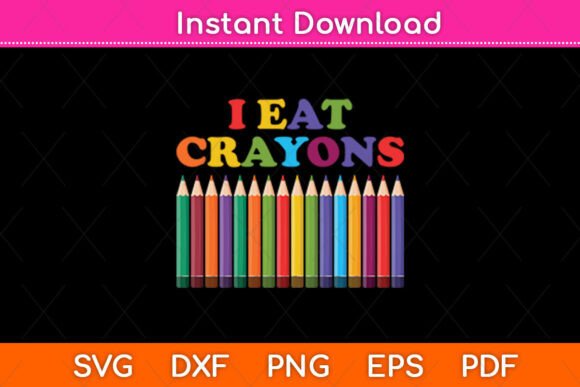
When you load the I Eat Crayons Saying Artist Coloring file into your software, the immediate impression is one of chaotic fun. The concept targets artists, teachers, and parents of young creatives. The layout features bold lettering paired with crayon imagery, creating a visual narrative that suggests messiness and joy. For an embroidery project, this theme works well because it allows for vibrant thread colors without needing complex shading. However, the success of this design relies heavily on how the vector lines are converted into stitch paths. A design like this can easily look cluttered if the stitch density is too high or if the running stitch outlines are too thin for the intended fabric.
In my experience, designs with text and objects combined require careful balancing. The phrase "I Eat Crayons" needs to be legible from a distance, while the crayon illustrations should add character without overwhelming the message. If the fill stitch areas are too dense, the final product may pucker, especially on lighter fabrics. Conversely, if the density is too low, the finished product will look sparse and unprofessional. Before committing to a client order, I always inspect the digitization quality to ensure the transition between the text and the graphic elements is smooth.
Real-World Application: A Custom Tote Bag Scenario
To truly understand the potential of I Eat Crayons Saying Artist Coloring, let's imagine a specific use case. Suppose you run a small craft business on Etsy and want to create a line of personalized tote bags for art teachers. You select a sturdy cotton canvas bag and plan to place the design prominently on the front. In this scenario, the design shines. The bold nature of the artwork stands out against the natural texture of the canvas. Using a heavy-duty stabilizer ensures that the stitches lay flat, even with the multiple color changes required for the crayons.
Customers purchasing these items are likely looking for a statement piece that reflects their profession or hobby. When they receive a tote bag featuring I Eat Crayons Saying Artist Coloring, the humor and relevance create an instant emotional connection. The design feels tailored to their identity as an artist or educator. However, if you were to attempt this same design on a thin, stretchy jersey t-shirt without proper backing, the result could be disastrous. The tension from the satin stitch borders might cause the fabric to warp, ruining the shape of the letters. This highlights why understanding your substrate is just as important as choosing the right embroidery file.
Navigating Fabric Challenges and Technical Constraints
While the design is versatile, there are specific situations where caution is required. Textured fabrics like fleece or thick denim can interfere with the fine details of the crayon tips. On a dark-colored sweatshirt, you would need to consider whether the design includes a background block or if the thread colors provide enough contrast. Without sufficient contrast, the custom apparel item may appear muddy. Additionally, curved surfaces like caps present a unique challenge. The straight lines of the text might distort slightly on a rounded brim, requiring adjustments to the hoop size and stabilizer placement.
Another critical factor is washing durability. Items like aprons, kitchen towels, and baby clothes undergo frequent laundering. If the stitch density in the I Eat Crayons Saying Artist Coloring design is not optimized, the threads may fray or lift after several washes. As a reviewer, I advise testing the design on scrap fabric that matches your final material. Run a test stitch, wash it, and dry it to see how the threads react. This step is non-negotiable for any commercial embroidery project where customer satisfaction depends on longevity.
Strategic Use for Small Business and Branding
For Etsy sellers and boutique owners, this design offers a strong opportunity for seasonal or niche marketing. It fits perfectly into categories like teacher appreciation gifts, back-to-school merchandise, or holiday embroidery sets. The playful tone makes it an excellent choice for personalized gifts, such as a custom pillow cover for a child's room or a patch for a sketchbook jacket. When used correctly, it enhances the perceived value of your handmade products by adding a layer of personality that mass-produced items lack.
However, consistency is key for brand building. If you incorporate I Eat Crayons Saying Artist Coloring into your shop, ensure it aligns with your overall aesthetic. Does it fit your color palette? Does the style match your other offerings? Using a printable mockup before production can help you visualize how the design looks in context. This allows you to make adjustments to thread choices or placement before cutting into expensive materials. Remember, a well-executed handmade product builds trust, while a poorly stitched design can damage your reputation.
Essential Designer Notes for Success
- Test on Scrap Fabric: Always run a sample to check for puckering and thread tension issues.
- Check Thread Contrast: Ensure the colors pop against your chosen background, especially on dark garments.
- Verify Hoop Size: Confirm the design fits within your machine's capabilities without distorting the image.
- Use Proper Stabilizer: Invest in high-quality tear-away or cut-away stabilizers to support the weight of the stitches.
- Review Licensing: Before selling finished items, confirm the terms of the digital embroidery file regarding commercial use.
- Inspect Small Details: Zoom in on the digitized file to ensure tiny elements like crayon tips won't get lost in the stitching process.
Ultimately, I Eat Crayons Saying Artist Coloring is a charming addition to a designer's toolkit, provided it is handled with care. It captures the spirit of creativity and humor, making it ideal for Crafts enthusiasts and small business owners alike. By respecting the technical requirements of embroidery—such as stabilizer selection, thread density, and fabric compatibility—you can transform this digital graphic into a high-quality, durable, and delightful physical product. Whether you are creating a single personalized gift or stocking a boutique shelf, thoughtful execution is what separates a good idea from a great finished product.