My Favorite Basketball Player Calls Bepa
As a designer who has spent years translating digital files into tangible thread on fabric, I approach every new machine embroidery design with a mix of curiosity and skepticism. When I first loaded the file for My Favorite Basketball Player Calls Bepa, my immediate goal was to determine if this piece of Graphics could survive the transition from screen to stitch. This isn't just about downloading a file; it is about understanding how a specific phrase and visual concept will behave under the tension of an embroidery machine. The title itself suggests a playful, perhaps inside-joke dynamic that leans heavily into pop culture and personal connection. For a craft business or an Etsy seller, this kind of niche appeal can be the difference between a product that sits on a shelf and one that sells out.
First Impressions: Mood and Visual Layout
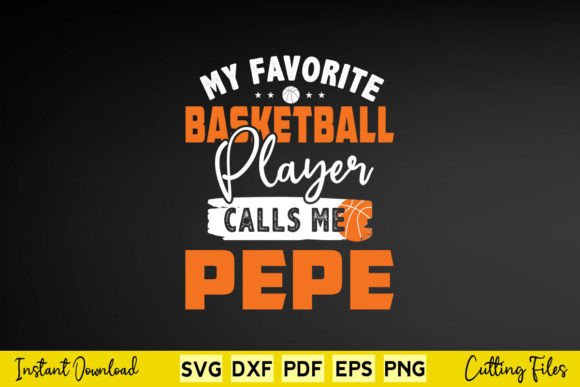
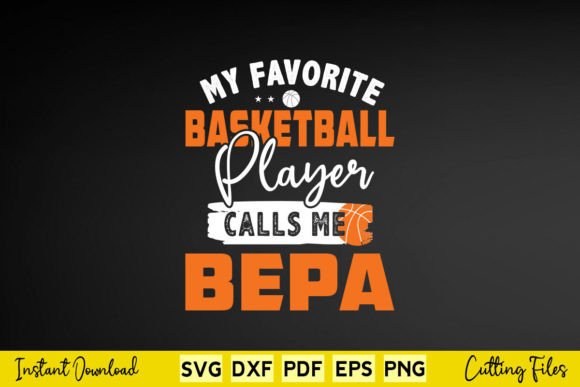
The initial look at My Favorite Basketball Player Calls Bepa reveals a layout designed for impact rather than intricate detail. In the world of embroidery project planning, less often means more when it comes to clarity. The text is bold, and the accompanying basketball imagery is stylized to ensure it holds up without becoming a muddy mess of threads. This design feels like it belongs in the realm of custom apparel where personality is the main selling point. It evokes a mood of fun, fandom, and lightheartedness. When I visualize this as a finished product, I see it working exceptionally well on a heavy cotton sweatshirt or a structured tote bag. The visual weight of the lettering suggests it should not be treated as a delicate accent but rather as a statement piece.
However, the success of any digital embroidery file depends on how well it translates across different materials. The clean lines of the graphics indicate that the stitch density is likely optimized for standard fabrics, but we must always verify this before committing to a client order. The design's simplicity is its strength here; it avoids the trap of over-complication that plagues many modern design assets. This makes it a viable option for small shop product lines where consistency and speed are essential.
Real-World Application: From Hoop to Shelf
Let's walk through a real-life scenario. Imagine you are preparing a holiday gift for a sports-loving friend or stocking a boutique with unique items for the season. You decide to use My Favorite Basketball Player Calls Bepa on a premium fleece hoodie. The texture of fleece is tricky; it can swallow small details and create a fuzzy edge around the stitching. Because this design features larger text and distinct shapes, it stands a good chance of cutting through that texture. If you were to attempt this on a thin t-shirt, however, you would need to be extremely careful with your stabilizer choice to prevent puckering.
I have used similar Graphics for personalized gifts in the past, and the reaction from customers is often driven by the specificity of the message. A generic basketball logo is fine, but a phrase like "My Favorite Basketball Player Calls Me Bepa" creates an instant emotional connection. This is crucial for Etsy sellers looking to build a brand around personalized, story-driven products. Whether you are creating an embroidered patch for a hat or doing direct sweatshirt embroidery, the design needs to feel intentional. The layout allows for placement on the chest, the back, or even on a pillow cover for nursery decor, provided the scale is adjusted correctly.
Navigating Challenges: Fabric and Technique
While My Favorite Basketball Player Calls Bepa looks promising, there are areas where a professional eye must intervene. One major consideration is the hoop size. If the design spans a large area, attempting to hoop it on a stretchy jersey material can lead to distortion. Always test the design on scrap fabric first. This step is non-negotiable for anyone running a craft business. You need to see how the fill stitch interacts with the fabric weave and whether the running stitch outlines hold their shape.
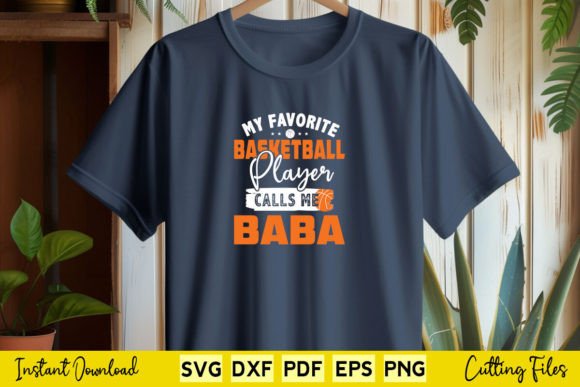
Another critical factor is color contrast. The design might look sharp in black and white mockups, but on a dark navy or heather grey garment, you will need to adjust the thread colors to ensure legibility. If the text is too thin, it may get lost against a busy background. Additionally, if you plan to use this for applique design techniques, the edges of the text need to be smooth enough to cut cleanly without fraying. Be wary of using this on curved surfaces like caps unless you have experience with cap hoops; the curvature can distort the straight lines of the text.
For those considering commercial embroidery, the durability of the design is paramount. Items like kitchen towels or aprons undergo frequent washing. The stitch density must be high enough to withstand agitation but low enough to allow the fabric to breathe. If the design is too dense, it can crack or peel after several washes. Always review the file settings to ensure the balance is right for the intended use case.
Strategic Advice for Designers and Sellers
If you are a handmade product creator thinking about adding My Favorite Basketball Player Calls Bepa to your inventory, start by creating a printable mockup to gauge customer interest before investing in thread and fabric. This helps in validating the concept without financial risk. Check the licensing terms carefully; since this is a digital product, you must confirm whether you are allowed to sell finished items or if the license is restricted to personal use only. Many designers overlook this, leading to legal issues down the road.
When setting up your machine, pay close attention to the thread colors palette. Sometimes a slight shift in shade can make the design pop or fade entirely. Compare the design on light and dark fabric backgrounds during your testing phase. If you are targeting the baby market with baby embroidery, ensure the font is soft and the stitching is flat to avoid irritating sensitive skin. For holiday embroidery projects, consider how the design fits into seasonal themes. Does it work for a Christmas gift? A birthday present? The versatility of the design adds value to your portfolio.
Ultimately, the value of My Favorite Basketball Player Calls Bepa lies in its ability to connect with a specific audience. As a reviewer, I find it to be a solid asset for apparel decorators who understand the nuances of thread tension and fabric selection. It offers a great opportunity for creative entrepreneurs to showcase their skills in turning a simple graphic into a high-quality, tactile item. By following best practices—testing on scraps, using proper stabilizers, and respecting the limitations of your equipment—you can turn this embroidery file into a standout piece in your collection.
Final Thoughts on Commercial Viability
In conclusion, My Favorite Basketball Player Calls Bepa is a design that rewards preparation and technical skill. It is not a "set it and forget it" file; it requires the designer to think critically about placement, fabric, and finish. For the small business owner or the hobbyist looking to elevate their work, this design provides a canvas for creativity. Whether you are making a single personalized gift or launching a line of custom apparel, the key is to treat the design with the respect it deserves. Test thoroughly, choose your materials wisely, and let the quality of your stitching speak for itself. In the competitive world of Crafts and handmade goods, attention to detail is what builds customer trust and drives repeat sales.