This Is My 60s Costume Retro Vintage Review
As a designer who has spent years navigating the intersection of digital graphics and physical stitching, I approach every new asset with a critical eye. The market is flooded with generic patterns, so finding a piece like This is My 60s Costume Retro Vintage that actually sparks a project idea is refreshing. Before I commit to any commercial run or client order, I need to know how a design translates from a screen to a finished product. This specific graphic, originally marketed as an SVG file for cutting machines, presents a unique challenge and opportunity for us in the embroidery world.
The Visual Vibe and First Impressions
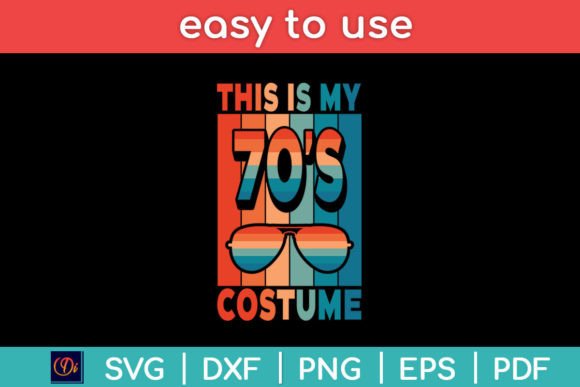
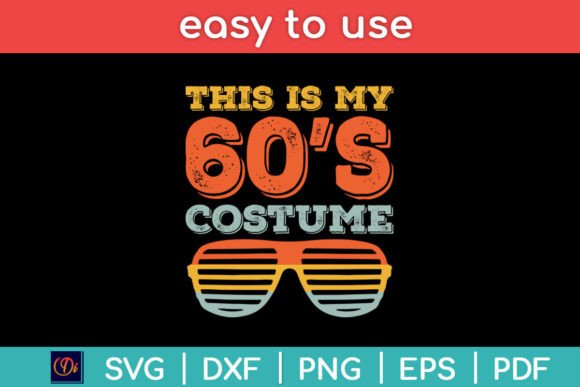
When I first opened the file preview for This is My 60s Costume Retro Vintage, the mood was immediately clear. It screams playful nostalgia. The typography and layout are designed to catch the eye quickly, which is essential for Halloween costumes or retro-themed apparel. However, as an embroidery professional, my brain instantly started translating those sharp vector lines into stitch paths. The bold, blocky nature of the text suggests it will work well with a dense fill stitch, but the curves and potential decorative elements require careful digitization to avoid puckering.
In the realm of Crafts and Graphics, this design stands out because it doesn't try to be overly intricate. For embroidery, simplicity often wins. Complex details can get lost when converted into thread, especially on textured fabrics. The clean lines of this retro vintage theme suggest it will maintain its integrity even when stitched onto a sweatshirt or a tote bag. It feels like a design that belongs on a cozy fall hoodie or a quirky kitchen towel, rather than delicate lingerie or fine linen.
A Real-World Project Scenario: The Custom Tote Bag
To truly test the viability of This is My 60s Costume Retro Vintage, let's imagine a real-life scenario. Picture a small shop owner preparing for the autumn season. They want to create a limited run of custom embroidered tote bags for their Etsy store. These bags need to be durable, visually striking, and fun enough to sell as both a practical item and a costume accessory.
If I were digitizing this design for a canvas tote bag, I would focus heavily on the stitch density. Canvas is thick and sturdy, allowing for heavier threads and denser fills without the risk of distortion. The bold lettering of the "Sixties Halloween" theme would pop beautifully against a natural beige or deep navy canvas. Imagine the customer holding up the bag; the contrast between the rough texture of the fabric and the smooth, glossy sheen of the satin stitch outlining the letters creates a premium feel. This isn't just a printed image; it's a tactile experience that adds value to the handmade product.
However, if we move this same design to a stretchy jersey t-shirt, the rules change. On a knit fabric, the tension of the machine can cause the design to warp if the stabilizer isn't perfect. Here, This is My 60s Costume Retro Vintage would need to be treated with a cut-away stabilizer to ensure longevity. The flexibility of the fabric means the stitches must have room to breathe. If the digitizer packs the fill stitch too tightly, the shirt will pucker around the text, ruining the professional look. This is why understanding the material is just as important as the design itself.
Navigating Fabric Challenges and Placement
Not all surfaces are created equal. When working with This is My 60s Costume Retro Vintage, you must be cautious with curved surfaces like caps or hats. The text is linear and likely spans a decent width. Attempting to stitch this across the crown of a cap without significant adjustments could lead to registration errors where the letters overlap or break apart. A flat hooping technique or a specialized cap frame would be mandatory here.
Similarly, dark fabrics present a color challenge. While the design looks great in black and white mockups, using light-colored thread on a black sweatshirt requires a backing layer or underlay to prevent the fabric color from showing through the gaps in the fill stitch. Conversely, on a white baby onesie, the thread colors need to be vibrant enough to stand out against the brightness of the cotton. The "funny" aspect of the design implies bright, perhaps neon or retro orange and purple hues, which should be selected carefully to match the intended aesthetic.
Commercial Viability for Small Business Owners
For the Etsy seller or boutique owner, the question is always about return on investment and customer perception. Does This is My 60s Costume Retro Vintage elevate the brand? In my opinion, yes. It taps into a specific trend—retro nostalgia—that resonates well with current consumer tastes. People love personalized gifts that tell a story or evoke a feeling. A custom sweatshirt with this design feels more exclusive than a mass-produced print.
However, before listing these items, you must confirm your licensing. Just because you bought the digital file does not automatically grant you the right to sell unlimited finished goods. Many designers offer personal use licenses by default, with commercial rights available as an add-on. Always check the terms. If you plan to sell the embroidered patch version of this design as a standalone product, ensure your license covers commercial embroidery projects.
Practical Designer Notes for Success
Before you start stitching, follow these steps to ensure the best results:
- Test on Scrap Fabric: Never skip this step. Run a test stitch of This is My 60s Costume Retro Vintage on a scrap piece of the exact fabric you intend to use. Check for pull, puckering, and thread breaks.
- Check Hoop Size: Ensure your hoop can accommodate the full width of the text. If the design is too large, you may need to split it into sections, which can compromise the alignment of the letters.
- Review Thread Colors: Plan your palette carefully. High contrast is key for readability. Avoid using thread that blends too closely with the background fabric.
- Inspect Small Details: Zoom in on the digitized file. Are there tiny corners or sharp angles that might cause thread bunching? Smooth them out if necessary during the editing phase.
- Use Proper Stabilizer: Whether it's tear-away for stable wovens or cut-away for knits, the right stabilizer is the backbone of a successful embroidery project.
In conclusion, This is My 60s Costume Retro Vintage is a versatile asset that, with proper execution, can transform simple garments into standout pieces. It offers a blend of humor and style that fits perfectly into the seasonal craft market. By respecting the technical requirements of machine embroidery and choosing the right applications, you can turn this graphic into a profitable and beautiful addition to your portfolio. Whether you are making a one-off holiday gift or stocking your small shop with merchandise, this design has the potential to delight customers and showcase your craftsmanship.