You Work a Long 8 Hour Day I Call That Review
As a designer who spends more time staring at stitch simulations than actual daylight, I approach every new machine embroidery design with a mix of curiosity and skepticism. When I first pulled up the file for You Work a Long 8 Hour Day I Call That, my initial reaction was to appreciate the straightforward humor. It is a phrase that resonates deeply with anyone who has ever clocked out after a grueling shift. However, in the world of custom apparel and handmade goods, a funny slogan is only half the battle. The real test lies in how the Graphics translate from a digital screen to physical thread on fabric.
This piece sits comfortably within the Crafts category, but its potential extends far beyond a simple hobby project. For an Etsy seller or a small shop owner looking to stock up on seasonal merchandise or everyday essentials, understanding the practical application of this design is crucial before you commit your machine time to it.
The Visual Personality and First Impressions
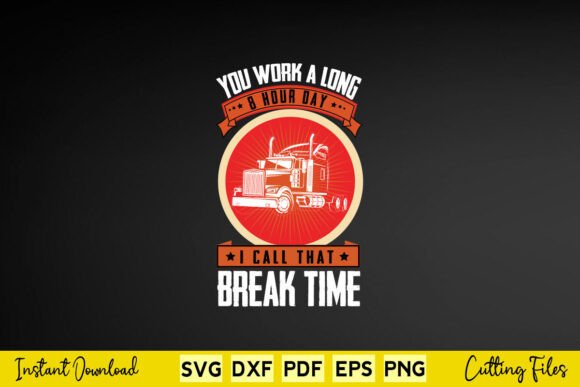
The layout of You Work a Long 8 Hour Day I Call That is designed to be bold and legible. In the context of custom apparel, readability is king. If a customer cannot read the message from three feet away, the product loses its impact immediately. The typography here feels sturdy, suggesting a layout that would benefit from a heavy fill stitch rather than delicate outlining. This gives the design a substantial presence, making it ideal for items like sweatshirts, hoodies, or canvas tote bags where the texture needs to stand out against the background material.
When visualizing this as a finished product, the mood is one of relatable exhaustion mixed with a touch of rebellion. It fits perfectly into the "break time" narrative that truckers, factory workers, and office employees alike can identify with. The design does not rely on complex imagery; instead, it leans on the strength of the text itself. This simplicity is often a double-edged sword in embroidery. While it reduces the risk of registration errors, it places a higher demand on the quality of your lettering and the precision of your stitch density.
Real-World Application: A Sweatshirt Scenario
Let's imagine a specific scenario. You are preparing a batch of personalized gifts for a local community event, perhaps targeting essential workers. You decide to use You Work a Long 8 Hour Day I Call That on a heavyweight crewneck sweatshirt. The fabric choice is critical here. A thick cotton blend provides a stable base, allowing the embroidery file to sit flat without puckering. If you were to attempt this on a thin, stretchy t-shirt without the proper backing, the tension from the needle could distort the letters, ruining the professional look of the handmade product.
In this sweatshirt application, the placement matters. Centered on the chest, the design acts as a statement piece. However, if you were to scale it down for a left-chest logo on a work shirt, you would need to carefully evaluate the minimum size requirements. Tiny lettering in machine embroidery can quickly turn into a muddy mess if the hoop size is too small to accommodate the necessary stitch count for clarity. Always remember that what looks crisp on a monitor might lose definition when stitched at a smaller scale.
Navigating Fabric Challenges and Stitching Nuances
While the design is versatile, there are specific situations where caution is required. Textured fabrics like denim or fleece can interfere with the smoothness of the satin stitch often used for letter outlines. On these materials, you might need to increase the stabilizer weight significantly to ensure the needle penetrates cleanly and the threads lie flat. Similarly, working with dark fabrics requires careful consideration of thread colors. A white fill on a black hoodie offers high contrast, but you must ensure the underlay stitches are dense enough to prevent the dark fabric from showing through the gaps in the top layer.
Another area of concern is curved surfaces. If you are considering using this design for a cap or a hat, the curvature can cause the text to bow or warp during stitching. Unless the digital embroidery file includes specific compensation for curves, you may find the result less than perfect. For caps, it is often safer to use a specialized hoop and adjust the tension manually. Additionally, products that require frequent washing, such as kitchen towels or aprons, will subject the embroidery to significant stress. You must verify that the running stitch borders and fill areas are locked securely to prevent fraying over time.
Practical Designer Notes for Success
Before you start your production run, there are several steps you should take to ensure the best outcome. First, always test the design on scrap fabric that matches your final material. This allows you to check the stitch density and make necessary adjustments to the pull compensation settings. Second, review the design in black and white mockups to see how the contrast holds up without color distractions. This helps in determining if the message remains clear across different background shades.
Furthermore, confirm the licensing terms before selling any commercial embroidery projects. Just because you purchased the Graphics file does not automatically grant you the right to sell the finished items or the digital file itself. Many designers offer personal use licenses only, so reading the fine print is essential for protecting your business. Finally, consider the overall aesthetic of your brand. Does You Work a Long 8 Hour Day I Call That align with the tone of your other products? Consistency in style helps build customer trust and reinforces your reputation as a professional creator.
Final Thoughts on Value and Appeal
Ultimately, You Work a Long 8 Hour Day I Call That is a strong contender for the craft business market. Its straightforward message appeals to a wide audience, making it a safe bet for holiday gifts, birthday presents, or just-for-fun merchandise. When executed correctly with the right stabilizer and attention to detail, it adds significant value to a basic garment, transforming a plain sweatshirt or tote bag into a conversation starter.
For the serious maker, this design offers a chance to showcase technical skill while delivering a product that customers genuinely want. By paying attention to the nuances of fabric texture, thread selection, and placement, you can ensure that your embroidered patch or apparel decoration stands out in a crowded marketplace. Whether you are creating a single personalized gift or stocking shelves for your online store, this design has the potential to be a staple in your collection, provided you respect the mechanics of the craft.